
Roofing That Withstands Hurricane-Force Conditions
Concrete Tile Roofing in Stuart for properties requiring maximum wind resistance and decades of reliable protection
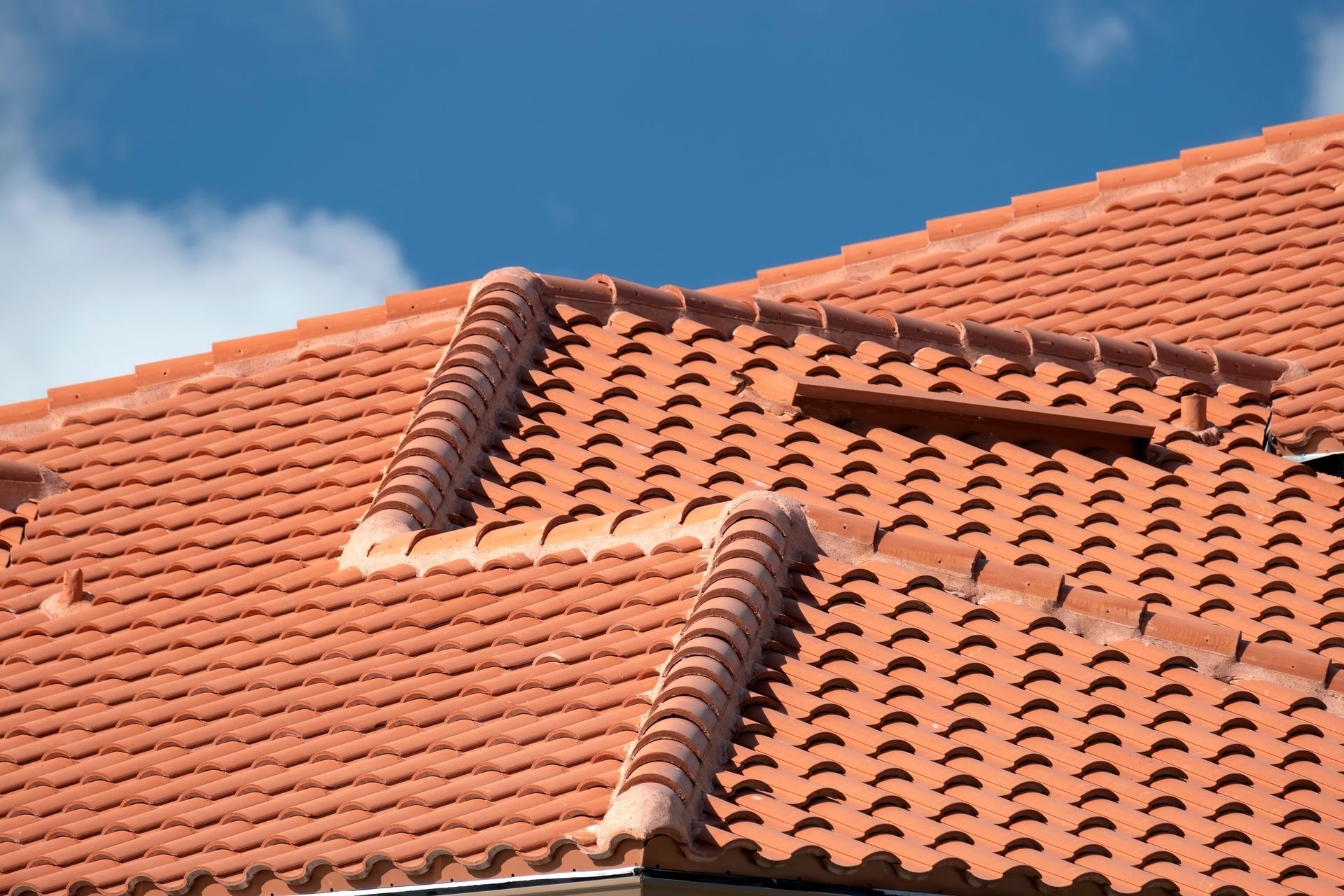
Concrete tile roofing withstands wind speeds that strip other materials from roof decks entirely, a crucial consideration in coastal Florida where hurricane-force gusts can exceed 130 miles per hour. ACI-Century Inc installs concrete tile systems across Stuart and surrounding coastal areas where storm resistance determines how long a roof remains intact. Upscale residential properties throughout the region rely on concrete tile because the material's weight and interlocking design prevent uplift during sustained high winds.
The installation process involves securing each tile to underlying battens with corrosion-resistant fasteners, creating a mechanical attachment that survives conditions where adhesive-based systems fail. Concrete tile resists the UV degradation and thermal cycling that cause asphalt shingles to crack and metal panels to expand, maintaining its structural integrity through decades of intense sun exposure and temperature swings between morning cool-downs and midday heat.
Schedule a property evaluation to review tile profiles, color options, and structural requirements specific to your roof design.
What Concrete Tile Roofing Actually Accomplishes
Concrete tiles form a ventilated barrier system where air circulates beneath the tile layer, reducing heat transfer into attic spaces by up to fifteen degrees compared to direct-applied roofing materials. The dimensional profile of each tile creates natural channels that allow moisture vapor to escape while preventing rain intrusion, which matters in Florida's high-humidity environment where trapped moisture rots decking and promotes mold growth. Properly installed concrete tile includes underlayment designed to handle secondary water intrusion during wind-driven rain events.
Once installation completes, you'll notice that interior temperatures stabilize more consistently throughout the day, air conditioning cycles run less frequently during peak heat, and roof surfaces show no fading or surface degradation even after years of direct sun exposure. The roof profile remains visually consistent without the waviness or curling that develops in flexible roofing materials as they age.
Repair services address individual tile replacement when breakage occurs, underlayment renewal in sections showing wear, and flashing upgrades around penetrations where leaks typically develop first. Replacement becomes necessary only when underlying structural decking deteriorates or when architectural changes require complete system removal, which often occurs thirty to fifty years after original installation.
Questions about concrete tile roofing often focus on performance expectations and long-term maintenance in coastal environments.
What makes concrete tile more wind-resistant than other roofing materials?
Each tile weighs between eight and twelve pounds per square foot, creating gravitational resistance that supplements mechanical fastening, while interlocking edges prevent wind from getting beneath individual tiles to generate uplift forces.
How does saltwater exposure affect concrete tile durability in Stuart's coastal climate?
Concrete tile resists salt corrosion that degrades metal fasteners and flashing components, though installation requires marine-grade stainless steel hardware in properties within two miles of the coastline to prevent fastener failure.
What happens during tile replacement after storm damage?
Individual tiles lift out of their interlocking position without disturbing surrounding tiles, allowing targeted replacement of broken pieces while the rest of the system remains functional and weather-tight.
When does underlayment need replacement on a concrete tile roof?
Underlayment typically requires renewal every twenty to thirty years when moisture staining appears on interior ceilings despite tiles remaining intact, indicating that the secondary barrier has degraded.
Why do upscale properties choose concrete tile over architectural shingles?
The material provides a dimensional appearance with shadow lines and texture variations that replicate traditional clay tile aesthetics, while offering superior longevity that preserves property value through multiple ownership cycles.
What Homeowners Usually Ask
ACI-Century Inc evaluates structural load capacity before recommending concrete tile installation, since the system weighs substantially more than alternative materials and requires adequate roof framing. Request a consultation to review tile profiles and determine whether your property's structure supports this roofing approach.